Street Party and Village Fete Bunting: A Local Celebration Guide
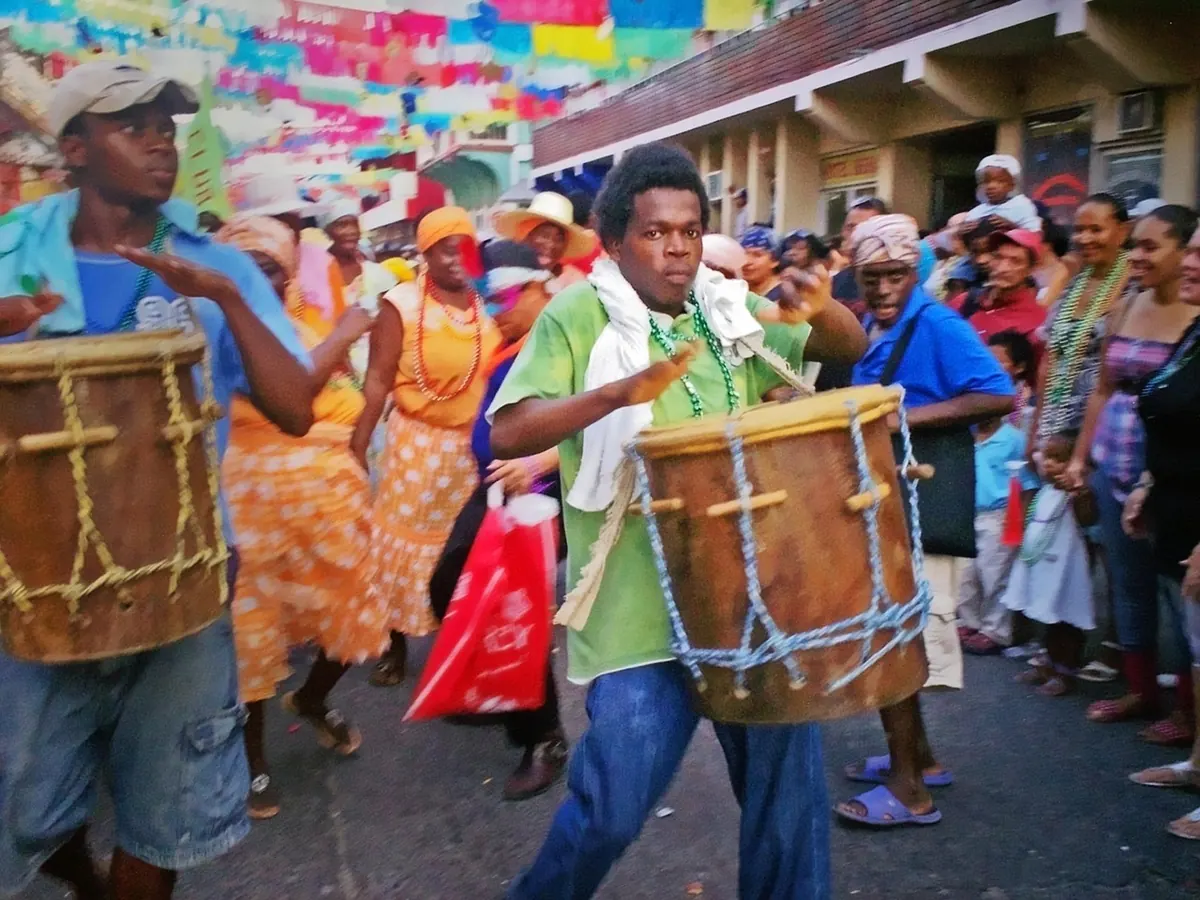
The best village fetes have a moment when you turn the corner and see it: a line of triangles strung between the church gate and the lychgate, lifting in the breeze. Bunting tells people that something is happening here today before they have read a single sign. Getting that effect takes a walk around the site, a sensible weather plan, and a few evenings with a sewing machine and neighbours who don't mind cutting fabric.
Start With the Route, Not the Fabric
Walk the site at the same time of day as the event. Morning light shows you where bunting reads well against the sky; midday shows you where it disappears into shadow. Note the arrival point, the cake stall, the stage, the queue for the loos, and the way people will drift between them.
Bunting works best as a frame rather than wallpaper. A few strong runs beat dozens of short flappy ones. Decide early which line is the hero run — the one that appears in every photograph — and give it the best fabric and the tidiest fixing points.
On that first walk, write down:
- Every fixing point you can legitimately use: fence posts, brackets, marquee frames, drainpipes, sturdy trees.
- Anything you cannot use: street furniture, lampposts and highway signs normally need permission from the council.
- The width of each gap between fixing points, paced out or measured with a wheel.
- Places to avoid — fire exits, ambulance access, low doorways, anywhere people carry trays at head height.
- Where you will store, dry and pack the bunting at the end of the day.
Keep runs off roads. Bunting over a carriageway needs proper clearance and permission, and one gusty afternoon is enough to bring it down onto a car.
Measuring Without Wasting Fabric
Add 15 to 20 percent to every measured gap for sag and knots. On a long, exposed run, allow more. A 20-metre gap typically wants around 24 metres of strung bunting, because a straight line looks wrong and a shallow curve looks right.
Standard triangles are about 20cm across the top with a 25–30cm drop, spaced roughly 15cm apart along the tape. Larger flags suit wide open spaces seen from a distance; smaller ones look neater across a narrow lane. Settle on one size for the whole event so the lengths stay predictable — and so next year's lengths still fit.
Weatherproofing for a British Summer
Cotton bunting is lovely and behaves badly in rain. It drinks water, doubles in weight, sags, and can grow mildew if it is packed away damp. Polyester, poly-cotton blends and acrylic canvas hold their colour, dry quickly and survive being stuffed in a crate.
Wind, not rain, is what destroys bunting. Flags tear at the point where they meet the tape, because that seam takes the whole load of every flap. Reinforce it. Fold the top edge of each triangle over the tape and stitch through, or add a box-X stitch at both top corners. It takes seconds per flag and can double the life of the run.
A few more habits worth keeping:
- Finish raw edges with pinking shears, a zigzag stitch or a smear of fray-check before assembling.
- Use polyester thread; cotton thread rots and snaps.
- Choose polyester webbing or tape over string. It stretches less and knots more reliably.
- Wet bunting sags further, so set your lowest point higher than you think you need.
- Take bunting down overnight if strong winds are forecast. It is not a permanent fixture.
- Dry everything completely before storage, even if that means draping it across the village hall for an evening.
A Community Sewing Session That Actually Works
The point of community bunting is that the wonky triangles belong to someone. Set the session up as a production line so that people who don't sew still have a job.
- Cut card templates in advance — one for the flag, one for the seam allowance.
- Put the fastest cutter on the rotary mat with a stack of fabric and a cutting wheel.
- Hand pinned bundles to the people who sew: two flags per pin, right sides together, tape sandwiched at the top.
- Send finished runs to the ironing table for pressing, then to a numbering table where each run is measured and labelled.
- Give someone a clipboard. Runs get tagged with their route: "Church gate to lychgate — 18m".
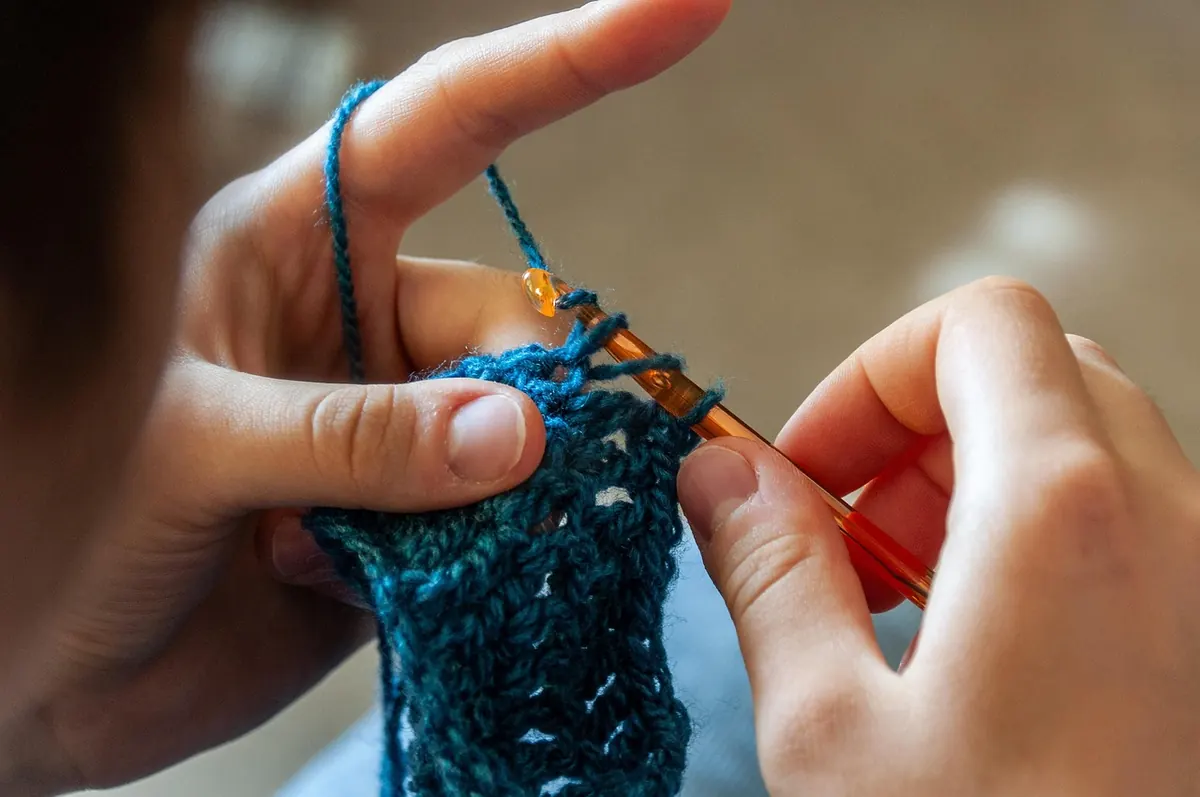
Ask everyone to bring a machine if they have one, but have hand-sewing kits ready for those who prefer it. Spare bobbins, a packet of fresh needles, extension leads and a decent iron matter more than fancy fabric. So do biscuits.
Label every run with its route and length. Next year's committee will thank you, and the bunting will go up in half the time.
Hanging It Safely and Tidily
Fix a strong main line first — webbing, sash cord or paracord — and hang the bunting from that. Bunting should never carry its own weight across a long gap, because the tape will stretch and the whole run will droop into the walkway.
Keep the lowest point comfortably above head height on footpaths; around 2.2 metres is a workable rule of thumb, and higher where vehicles pass underneath. Use cable ties around drainpipes and brackets rather than knotting directly onto them, and webbing straps rather than rope around tree trunks so the bark isn't damaged.
Leave a little slack in the line. A run pulled guitar-tight will shock-load its fixings every time the wind gusts and will eventually snap something. A gentle curve, with the ends tied off in a loop and a karabiner, is easier to adjust, easier to take down and much kinder to fences.
After the Fete: Drying, Storing and Next Year
Take the bunting down while it is still dry if you possibly can. If it gets soaked, hang it somewhere ventilated until it is bone dry — a damp crate in a shed in September becomes a mouldy mess by May.
Roll rather than fold. Folding creases the tape and creases become weak points. Store each route in its own labelled bag or crate, with a note of the length and the fixing points it needs, and put the repair kit on top so the torn flags get mended before they go away rather than on the morning of the next event.
Then start a list for next year. Which runs looked best in the photographs? Which fixing point failed? Which gap needed another two metres? Village bunting gets better with every outing, and after a few summers the sight of it going up is part of the fete itself.
Photo: Holcan / Pixabay